Shopping used to mean searching, browsing, comparing, and finally buying. You visited a few sites. You read reviews. You compared prices across tabs. Then you checked out.
Meta Muse is changing that. It is Meta’s new AI agent, launched in September 2026. And it does not just help you shop. It shops for you.
Let’s break down what this means for shoppers and for brands.
What Is Meta Muse?
Muse is a personal AI agent from Meta. You can use it on iOS, Android, the web, or inside WhatsApp. It is not just a chatbot. It can take actions on your behalf.
Muse can browse the web. It can compare prices. It can add items to a cart. It can even complete a purchase, with your approval.
You can think of it less like a search engine and more like a personal assistant who happens to live inside your phone. With ‘Muse‘, Meta has made a great addition to the ‘Agentic Commerce‘ space, as they already have a huge user base in their portfolio.
From Search Pages to a Single Shortlist
Here is the biggest shift in online shopping. Traditional shopping means scrolling through pages of results. You pick from dozens of options. You do the filtering yourself.
However, Muse, developed by Meta works differently. It remembers things about you. Your size. Your budget. Your style preferences. This information is based on your past interactions with it.
With that context, Muse narrows thousands of products down to a handful. Sometimes just one. And this is going to be the real challenge for e-commerce owners: if your product does not make that shortlist, the shopper never sees it.
This is a big deal for brands. Winning a search ranking used to be enough. Now you need to win a spot inside an AI’s recommendation.
Turning Inspiration Into a Purchase
Muse also closes the gap between seeing something and buying it.
For example, you save a recipe video on Instagram. Muse can turn that video into a grocery list. It checks your dietary preferences. It builds a cart. All before you’ve even opened a grocery app.
This matters because most shopping decisions start with inspiration, not search. A reel, a post, a recommendation from a friend. Muse captures that moment early. It turns passive scrolling into a completed order.
Muse Works With Shopify, Walmart, and More
One thing needs to be clear about this: Muse is not an e-commerce platform. Even Muse does not shop in a vacuum. It connects to real stores.
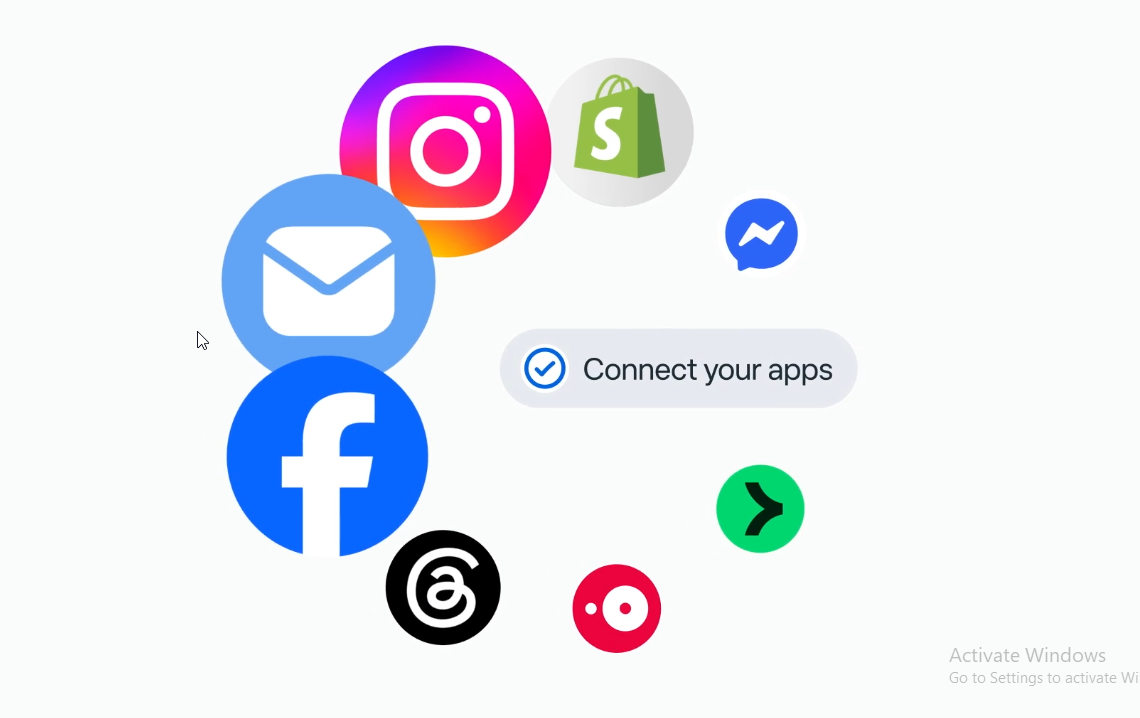
Already, it has native access to the entire Shopify catalog. You can check out directly using Shop Pay. Muse also connects to Walmart, Best Buy, Sephora, Ulta, Wayfair, Gap, and Instacart.
That is a wide net. If you sell through any of these platforms, Muse can already find and recommend your products.
Amazon is the exception. In September 2026, Amazon blocked Muse from accessing its storefront. Amazon cited concerns about unauthorized browsing and credential logging. This shows a bigger fight happening behind the scenes. Platforms are competing over who controls the shopping relationship. We will likely see more of this as agentic shopping grows.
What This Means for Brands: Share of Agentic Selection
For years, marketers chased search rankings and ad clicks. Agentic shopping introduces a new goal. It is called Share of Agentic Selection.
This simply means how often an AI agent finds your product, trusts it, and picks it for a shopper. If Muse cannot find your product or cannot verify its details, it will not recommend it. No matter how good the product is.
Here is what brands need to do to compete for this:
Structure your product data. Muse reads machine-readable facts. That means you need to optimize product attributes like clear product variants, GTINs, accurate stock levels, shipping details, and return policies. If this information lives only in a PDF or an image, Muse may never see it.
Build real evidence. Muse does not just trust your marketing copy. It looks for genuine reviews and editorial coverage. Detailed, honest reviews help Muse understand if your product actually fits what a shopper is asking for.
Make your social content clear. If you want Muse to recognize products in Instagram posts or reels, name them explicitly. Tag them properly. Vague captions make it harder for an agent to connect a post to your store.
Muse for Small Businesses
Muse is not only for shoppers. Meta also built a version called Muse for Small Business.
This version connects to your store’s actual data. It links with Shopify, QuickBooks, Instagram, and more. Once connected, it can track your inventory. It can run marketing campaigns. It can respond to customer questions. It can analyze your financial performance.
Basically, small business owners get an AI that already understands their store. No long setup. No separate dashboards to check constantly.
Staged Autonomy: Muse Still Asks Before It Spends
One thing worth knowing. Muse does not go rogue with your money.
It can search, compare, and build a cart on its own. But before any payment goes through, it stops and asks for your approval. This is called staged autonomy. The agent prepares everything in the background. The final decision stays with you. And this is the current standard of Agentic Payment.
This matters because trust is still the biggest barrier to agentic shopping. People are curious about AI agents. But most are not ready to hand over full control of their wallet. Muse’s approach tries to balance convenience with that need for control.
What This Means Going Forward
Agentic shopping is not a future trend anymore. It is already live, inside an app many people already use.
For shoppers, this means less searching and more getting exactly what you need, faster.
For brands, this means a new kind of optimization. It is not just about ranking on Google anymore. It is about being understandable to an AI agent. Clean data. Real reviews. Clear product naming. These things now directly affect whether your product gets seen at all.
The brands that adapt early will have an advantage. The ones that wait may find themselves invisible to an entire new layer of shopping traffic.
Leave a Reply